Blog
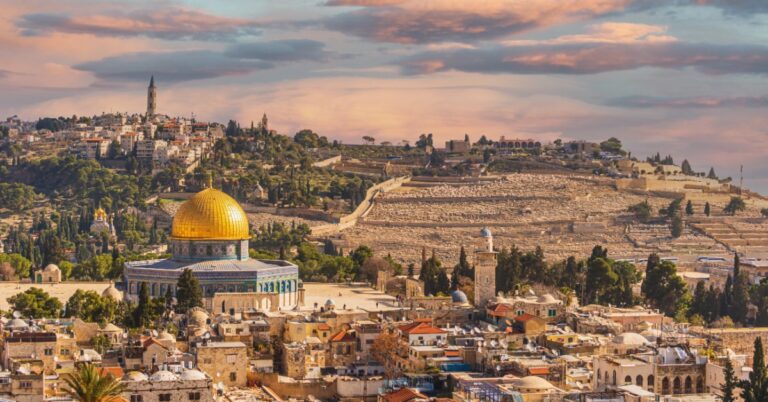
Food offers one of the most revealing ways to understand Israel because every meal can carry a story about migration, tradition, agriculture, family, and place. Travelers encounter influences from across the Middle East, North Africa, Europe, the Mediterranean, and beyond, often within the same neighborhood or market. A private culinary experience brings these influences into focus by connecting what you taste with the people and communities behind each dish.
Instead of simply finding somewhere good to eat, you gain a deeper understanding of how food reflects the country’s remarkably diverse identity. Touring Israel covers what to expect from a private culinary tour in Israel.
A culinary tour can introduce travelers to excellent restaurants, but the experience reaches far beyond formal dining rooms. Local bakeries, specialty shops, market stalls, family-run kitchens, wineries, and neighborhood institutions often reveal just as much about Israeli food culture. These smaller stops allow travelers to taste foods in the settings where local residents actually shop, gather, and eat. A private guide can also explain ingredients, preparation methods, regional influences, and traditions that visitors might otherwise overlook.
As such, context matters because Israeli cuisine doesn’t fit neatly into a single definition. Jewish communities from around the world brought distinct culinary traditions with them, while Arab, Druze, Bedouin, and other communities contribute their own longstanding food cultures. Geography also shapes what appears on the table, from Mediterranean produce to regional wines and fresh seafood. Exploring these connections turns a tasting itinerary into an introduction to the people and histories that shaped modern Israel.
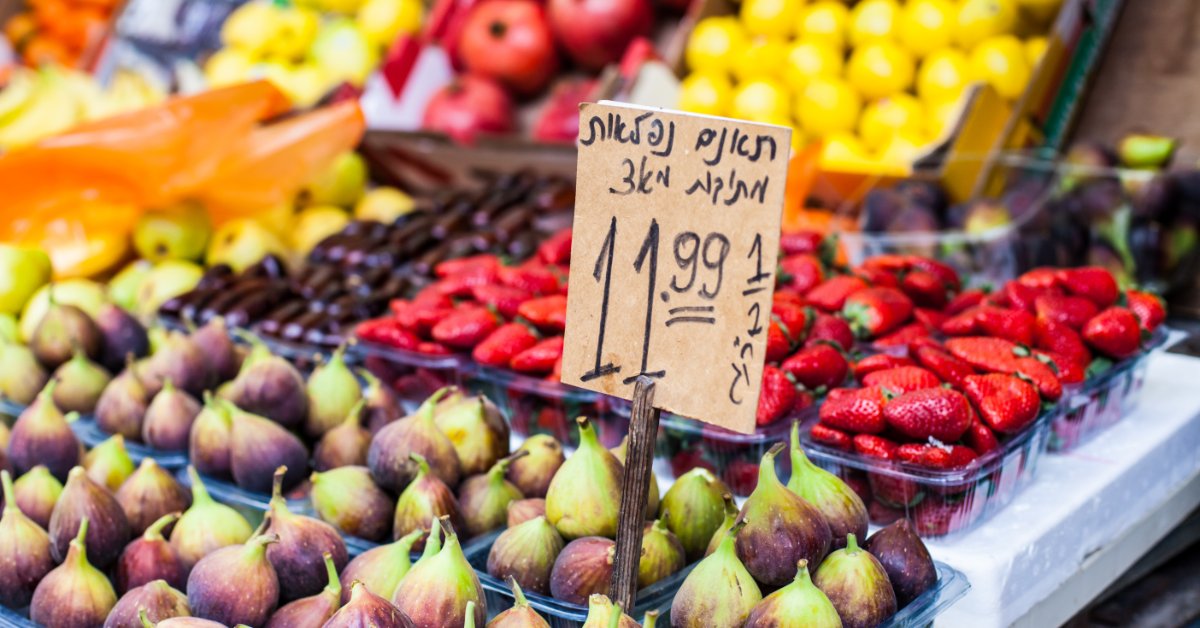
Fresh food markets rank among the most exciting places to begin a culinary journey because they combine food, culture, commerce, and everyday life. Jerusalem’s Mahane Yehuda Market offers produce, spices, baked goods, sweets, prepared foods, restaurants, and countless opportunities to stop for a taste. The markets of Jerusalem’s Old City offer a different atmosphere, with narrow streets and vendors that connect visitors to longstanding local traditions. A knowledgeable private guide helps travelers move beyond a casual walk through and discover vendors, ingredients, and specialties that carry meaningful stories.
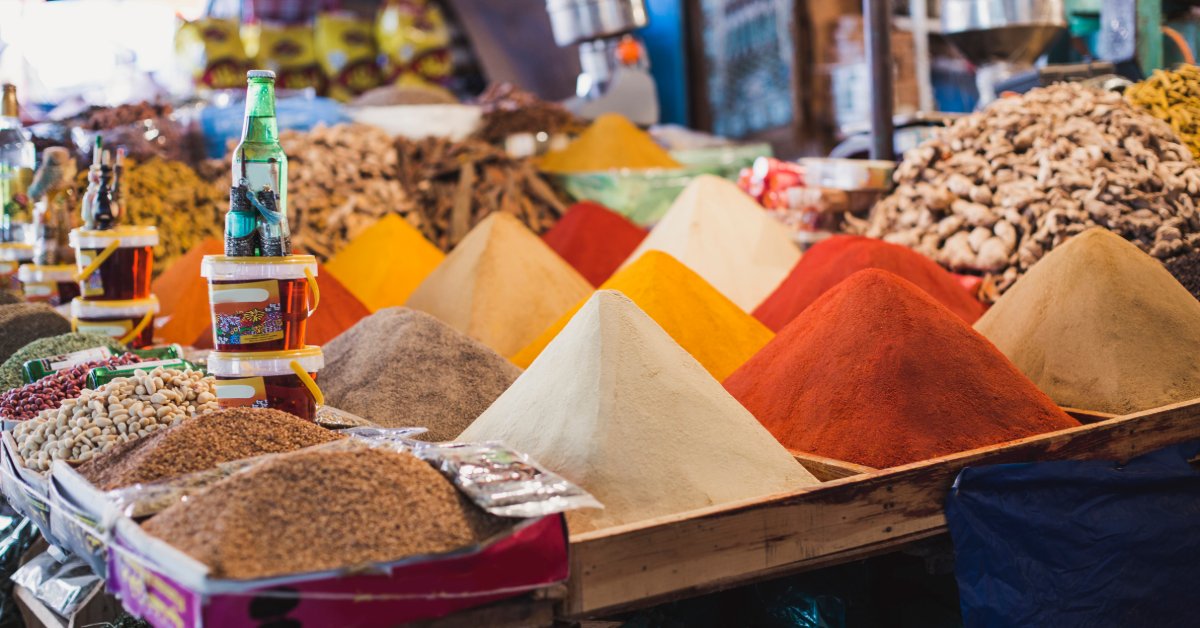
Tel Aviv provides equally memorable market experiences, although each destination has its own personality. Carmel Market combines fresh produce and everyday shopping with prepared foods and contemporary culinary stops, while Levinsky Market has deep connections to spices, specialty ingredients, and immigrant food traditions. Travelers interested in Israel culinary tours can use these markets as gateways into the country’s broader multicultural story. Private touring also allows guests to slow down at the places that interest them rather than following a rigid group schedule.
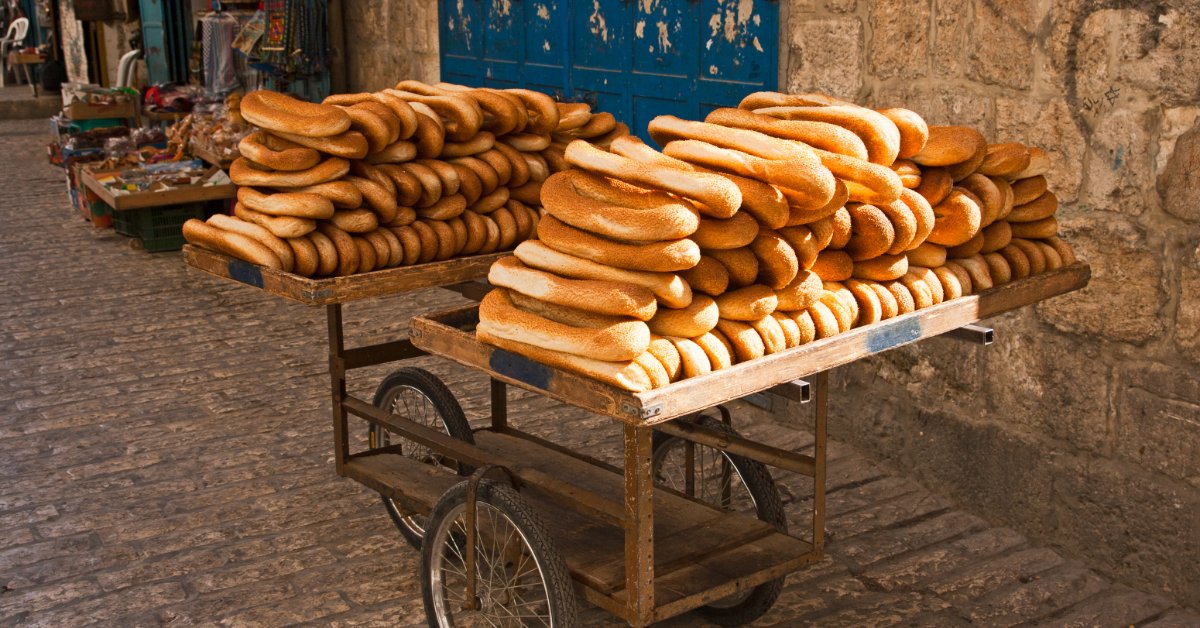
Sampling an unfamiliar dish can satisfy your curiosity, but understanding its history adds another dimension to the experience. An experienced guide can explain why a particular ingredient matters, how a recipe reached Israel, or why one neighborhood developed a distinctive culinary identity. These conversations make even small tastings memorable because travelers begin connecting flavors with communities and historical movements. This knowledge can also help guests recognize regional and cultural distinctions that might remain invisible during independent sightseeing.
A carefully designed tasting route might include savory pastries, cheeses, breads, sweets, spices, dips, fresh produce, or dishes associated with particular communities. The exact menu can change with the destination, season, availability, and interests of the travelers. Flexibility represents one of the strongest advantages of a private experience because the itinerary can respond to the people taking the trip. Guests can spend more time exploring favorite flavors, ask detailed questions, and adjust the pace without worrying about keeping up with a large group.
Cooking workshops offer travelers the opportunity to participate in Israeli food culture instead of only observing it. Under the guidance of an experienced chef or local culinary expert, guests can learn techniques, work with unfamiliar ingredients, and prepare dishes connected to specific traditions. The process encourages conversation about family recipes, cultural influences, and the ways people adapt food traditions over time. Best of all, participants finish the experience by sitting down to enjoy a meal they helped create.
Workshops also work well for couples, families, multigenerational groups, and friends who want a hands-on activity during their trip. Travelers don’t need advanced cooking skills because the experience focuses on discovery, participation, and enjoyment rather than technical perfection. A private itinerary can select a workshop that matches the group’s interests and comfort level while coordinating it smoothly with other activities that day. Guests leave with new flavors in mind, practical culinary knowledge, and stories they can bring home to their own kitchens.
No two travelers approach food in exactly the same way, which makes personalization especially valuable on a culinary trip. Some guests want to explore street food and busy markets, while others prefer chef-driven dining, wine experiences, cooking instruction, or traditional regional cuisine. Families may need a flexible schedule and accessible foods for younger travelers, while experienced food enthusiasts may want deeper conversations with chefs and producers. Private planning allows the culinary component to complement the travelers rather than forcing everyone into a predetermined program.
Depending on your interests, a private culinary itinerary may include:
A memorable culinary experience depends on more than reservations and a list of popular dishes. Travelers benefit from local knowledge, thoughtful pacing, personal introductions, and opportunities to understand why certain foods matter to the people who prepare and enjoy them. Touring Israel can incorporate markets, workshops, restaurants, wineries, and culturally significant food experiences into a private itinerary built around each guest’s interests. The result gives travelers a richer perspective on Israel while preserving the comfort and flexibility that define personalized touring.
Food has a remarkable ability to connect visitors with places long after a trip ends. The aroma of spices from a market, a recipe learned during a workshop, or a conversation shared over a memorable meal can become as meaningful as visiting a famous landmark. You can expect a private culinary tour in Israel with Touring Israel to create space for these moments while revealing the extraordinary diversity behind the region’s evolving food culture.
With Touring Israel, travelers can taste their way through the country while discovering the communities, traditions, and stories that give every destination its character. Inquire today to learn more.
Tell us how you want to travel and we’ll design the rest.
Start the Conversation